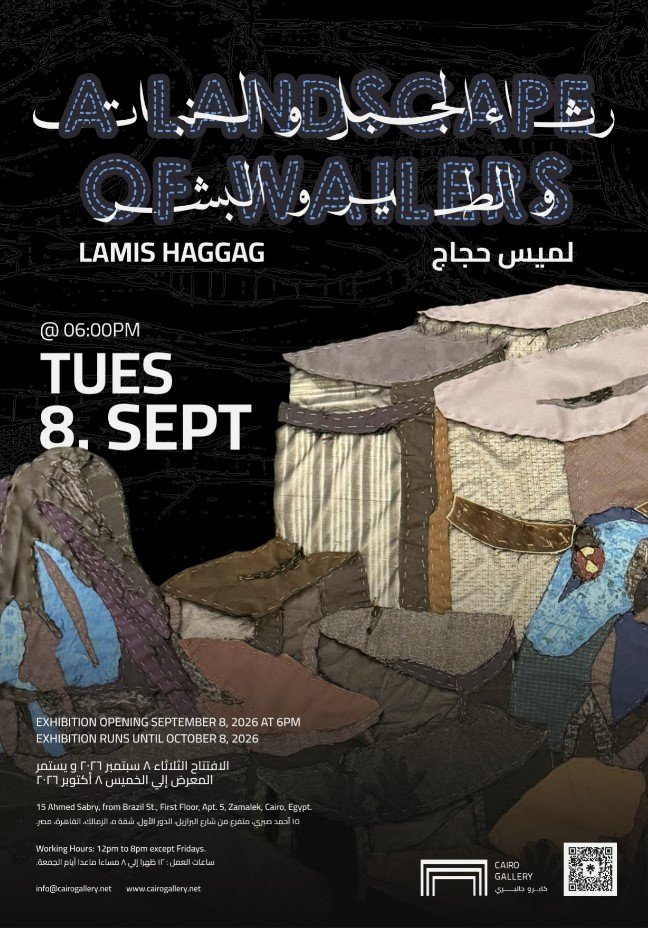
A LANDSCAPE OF WAILERS
8th of Sept. Till 8th of Oct.
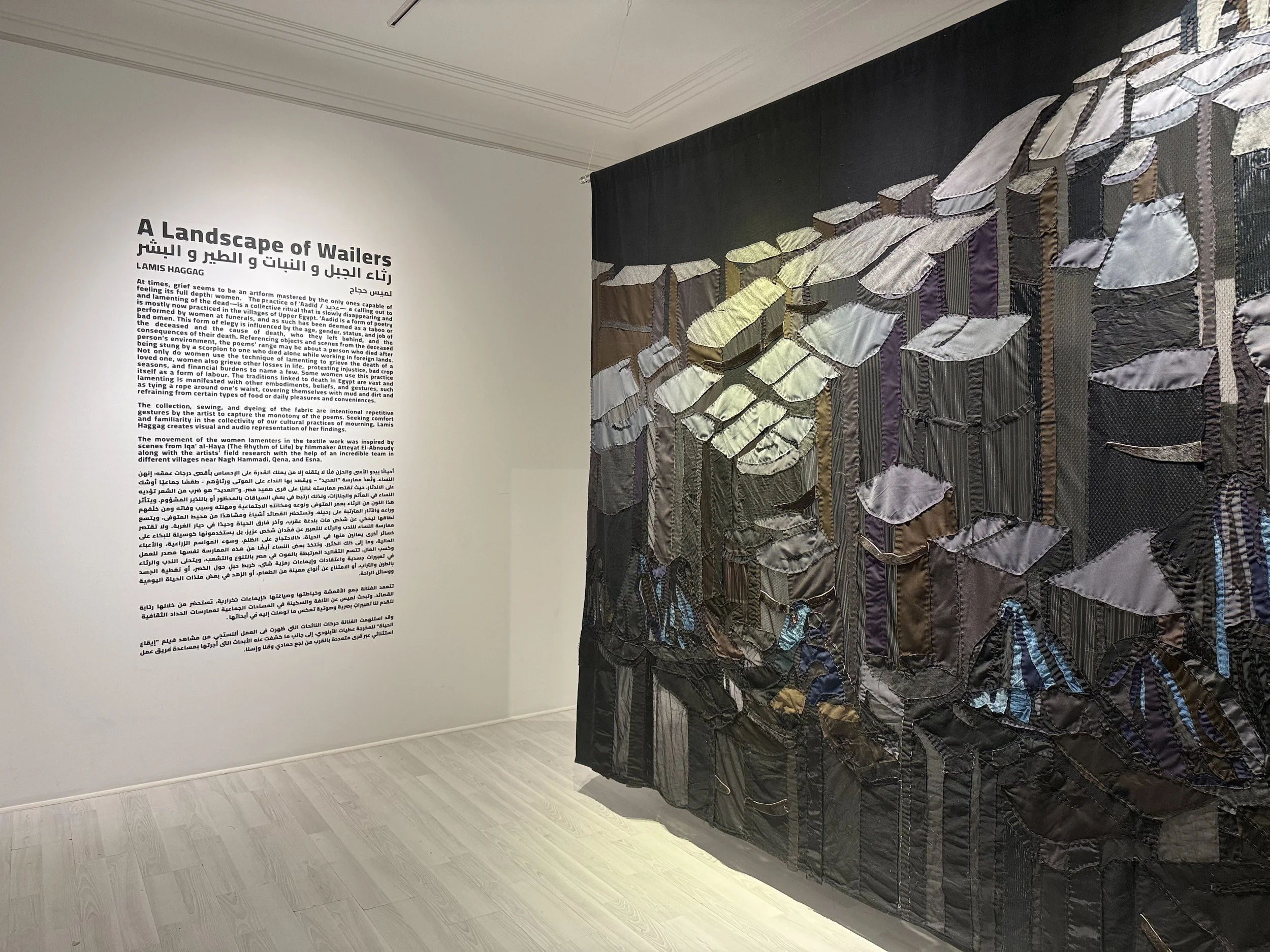
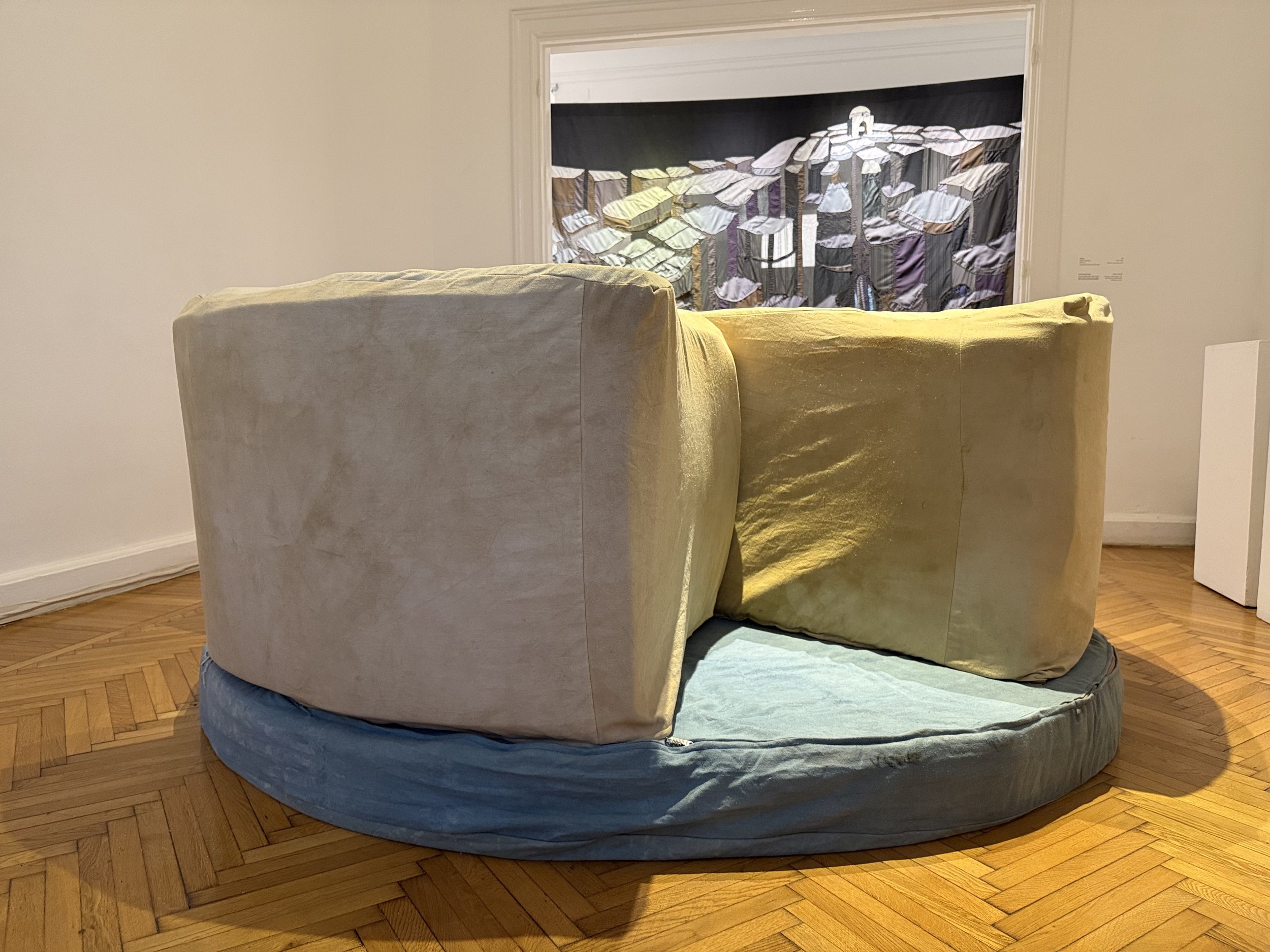
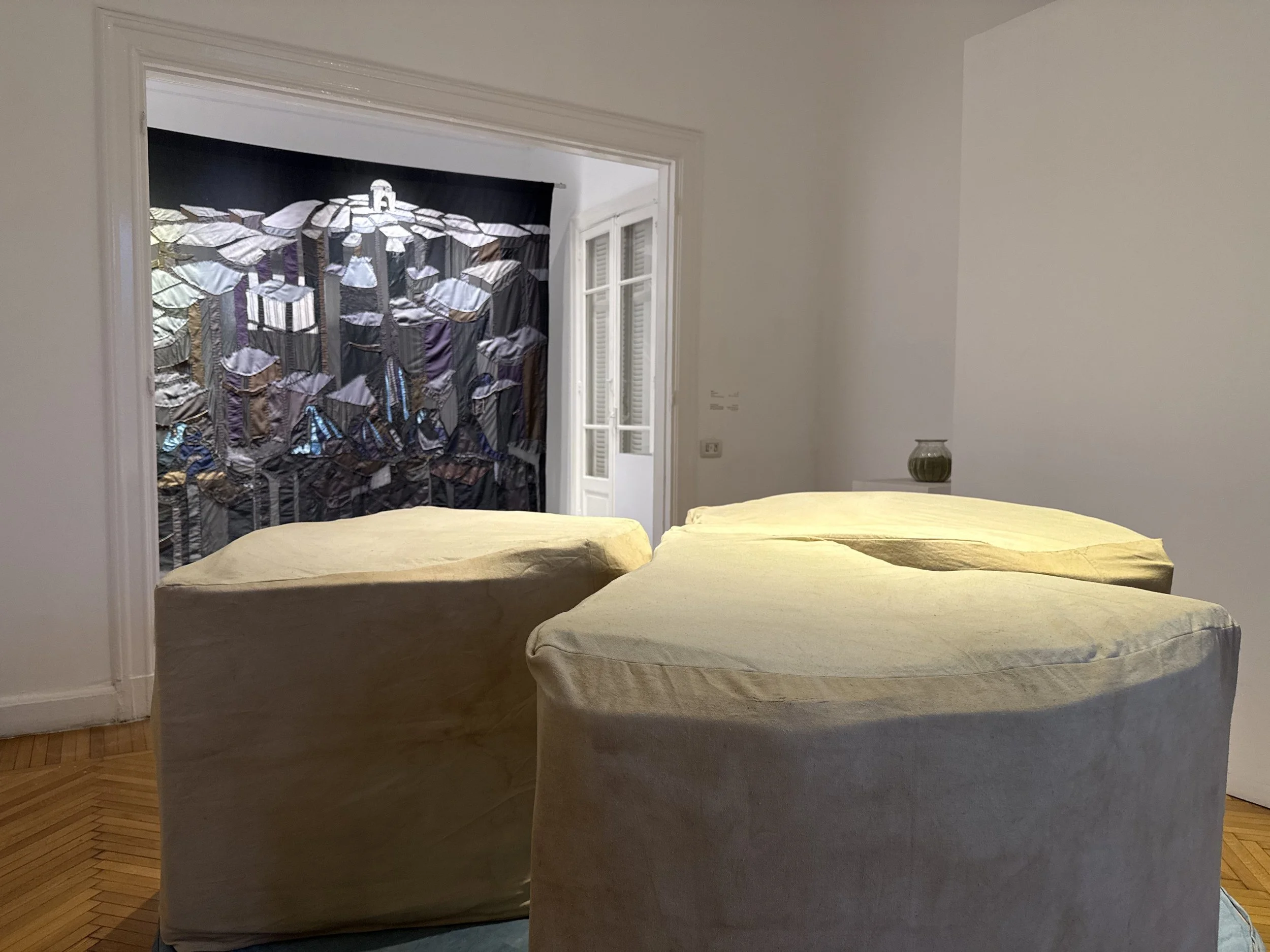
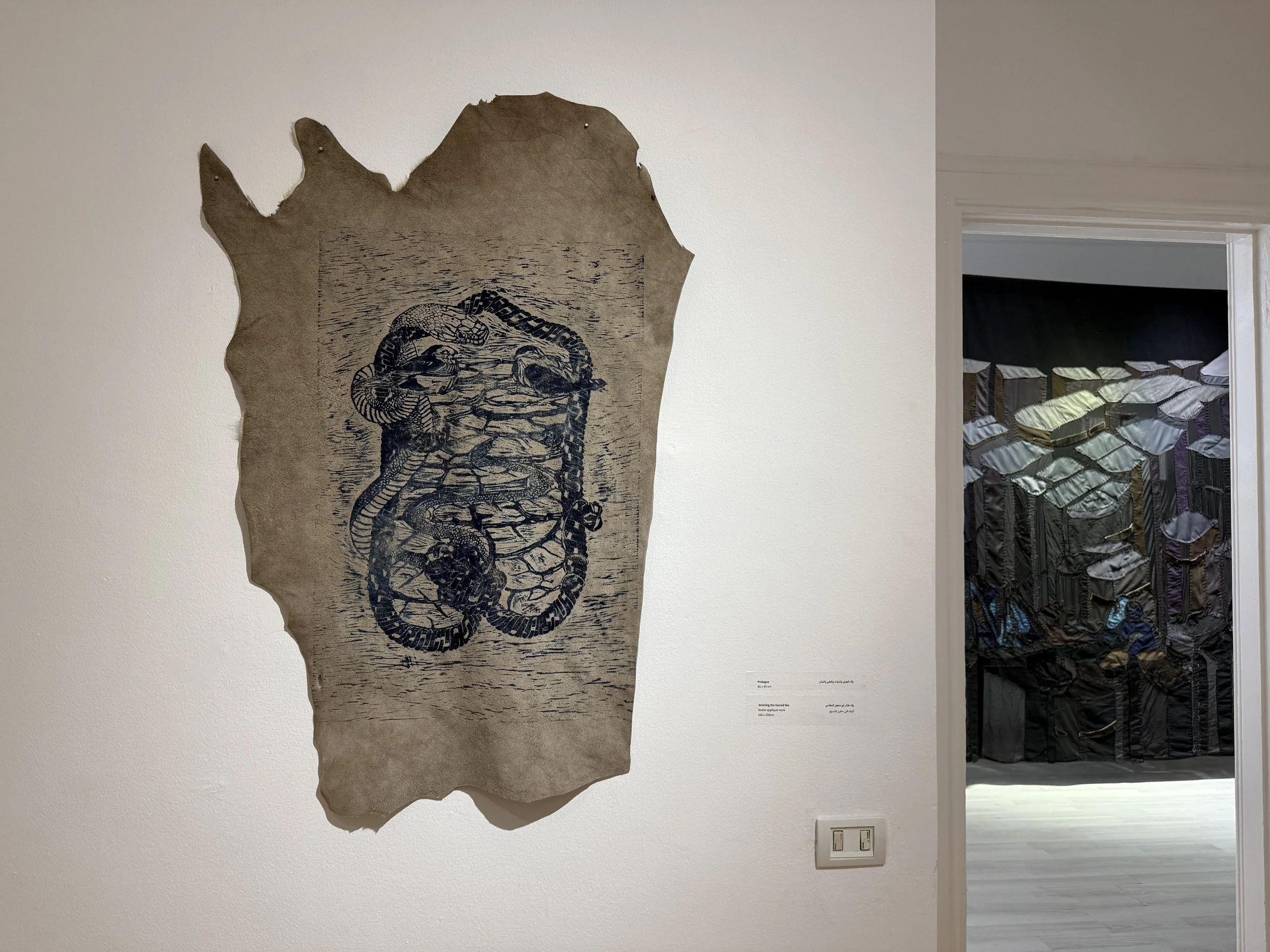
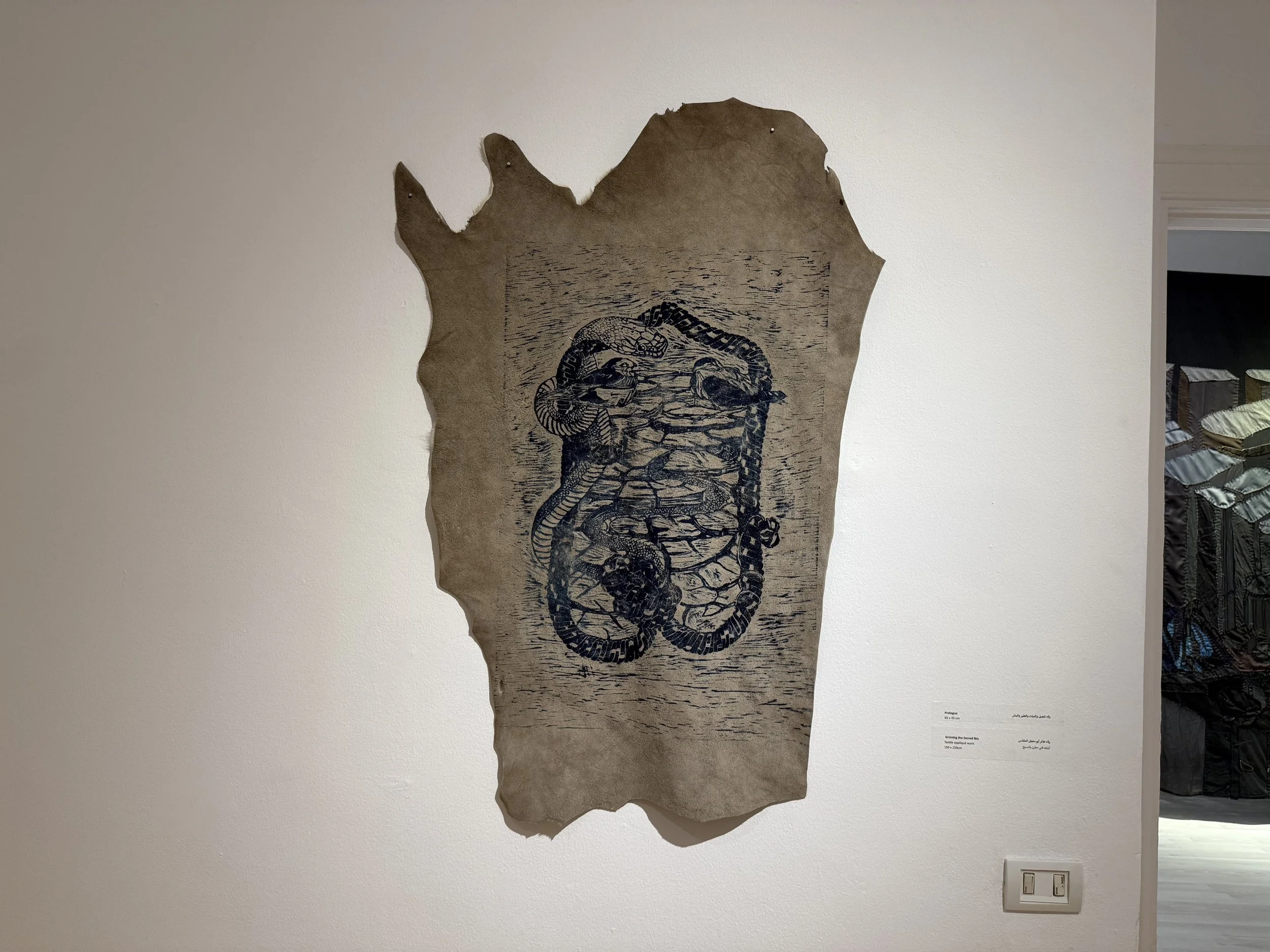
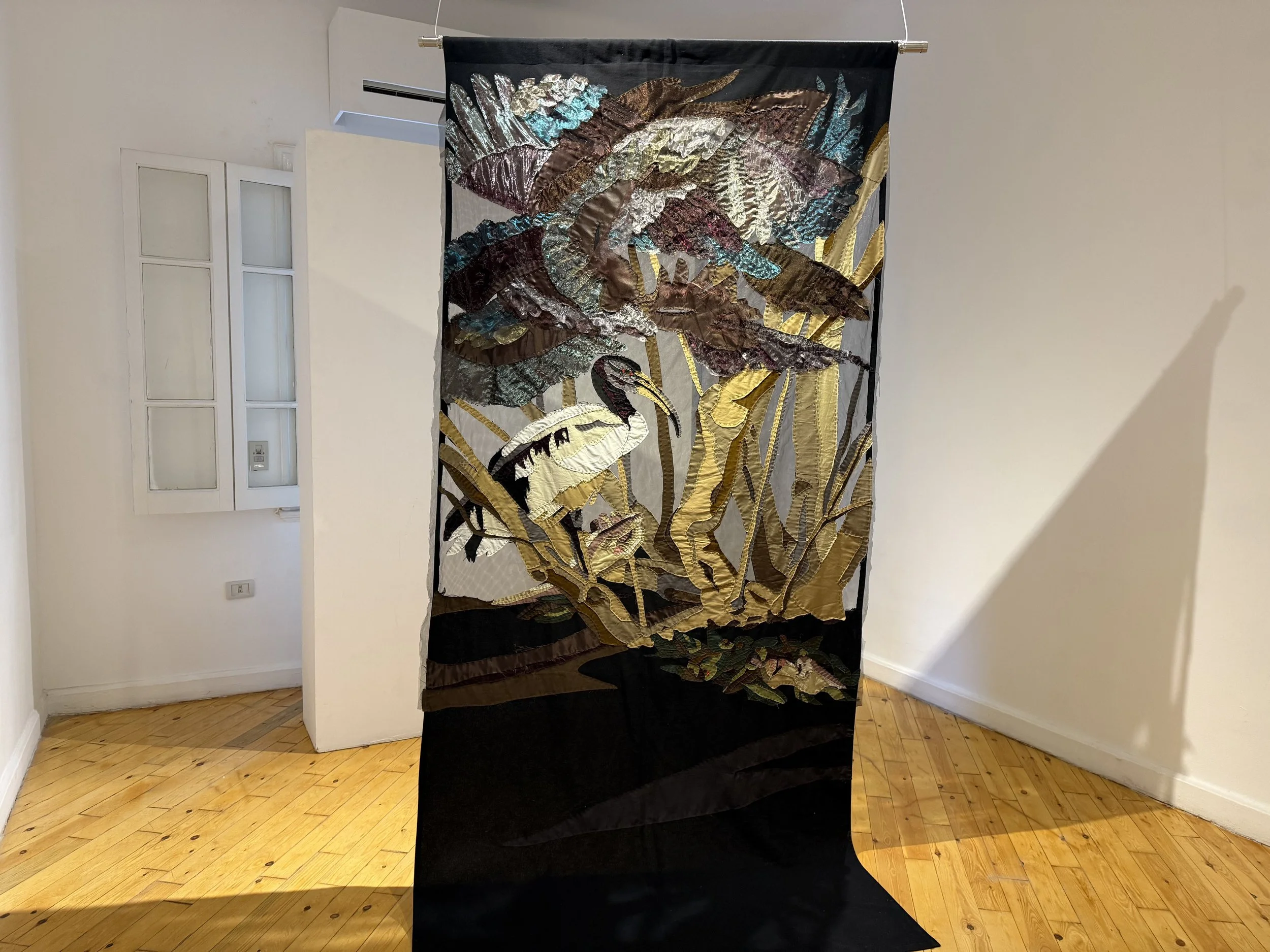
At times, grief seems to be an artform mastered by the only ones capable of feeling its full depth: women. . The practice of ’Aadid / عديد— a calling out to and lamenting of the dead—is a collective ritual that is slowly disappearing and is mostly now practiced in the villages of Upper Egypt. ’Aadid is a form of poetry performed by women at funerals, and as such has been deemed as a taboo or bad omen. This form of elegy is influenced by the age, gender, status, and job of the deceased and the cause of death, who they left behind, and the consequences of their death. Referencing objects and scenes from the deceased person’s environment, the poems’ range may be about a person who died after being stung by a scorpion to one who died alone while working in foreign lands. Not only do women use the technique of lamenting to grieve the death of a loved one, women also grieve other losses in life, protesting injustice, bad crop seasons, and financial burdens to name a few. Some women use this practice itself as a form of labour. The traditions linked to death in Egypt are vast and lamenting is manifested with other embodiments, beliefs, and gestures, such as tying a rope around one’s waist, covering themselves with mud and dirt and refraining from certain types of food or daily pleasures and conveniences.
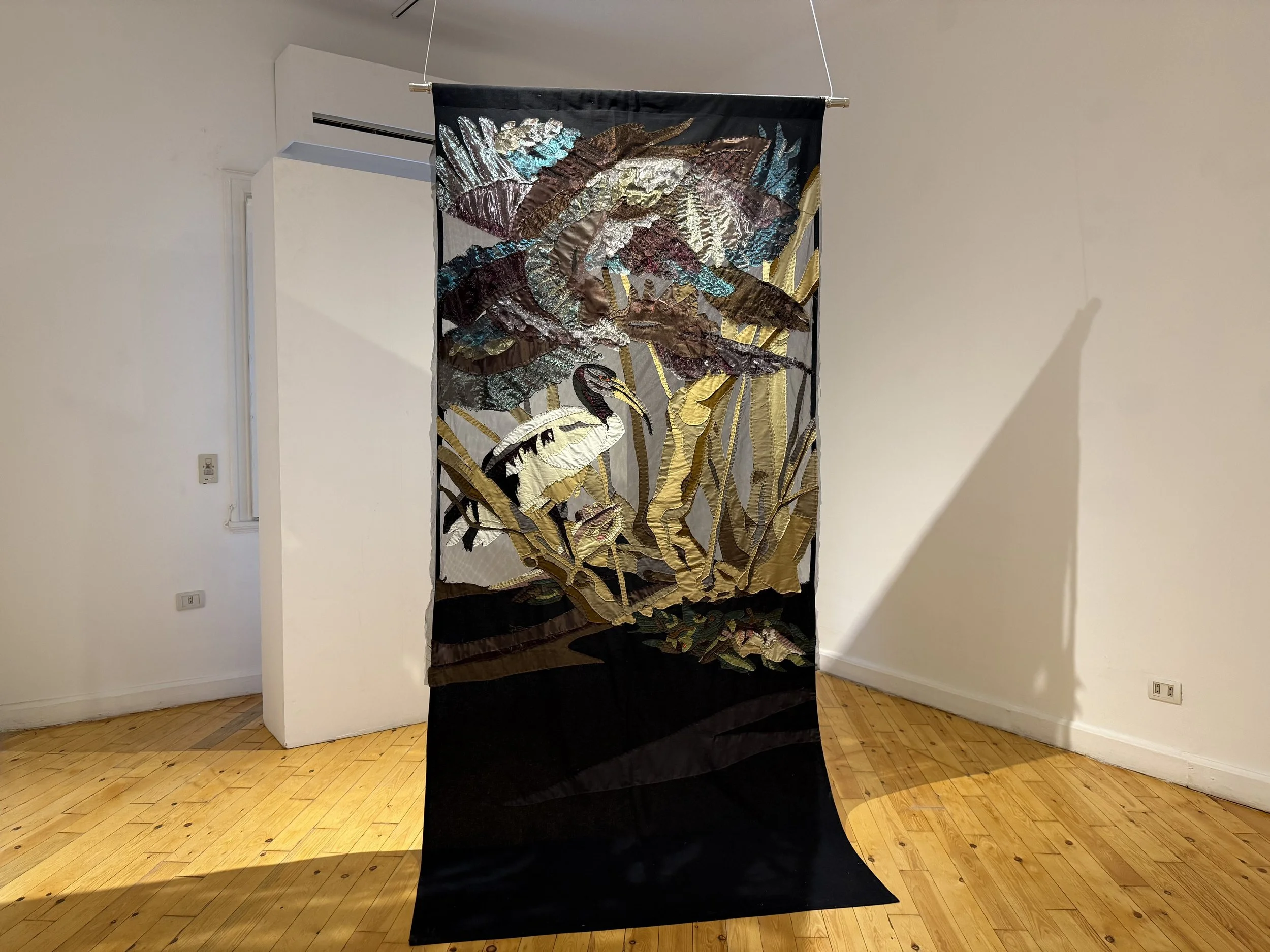
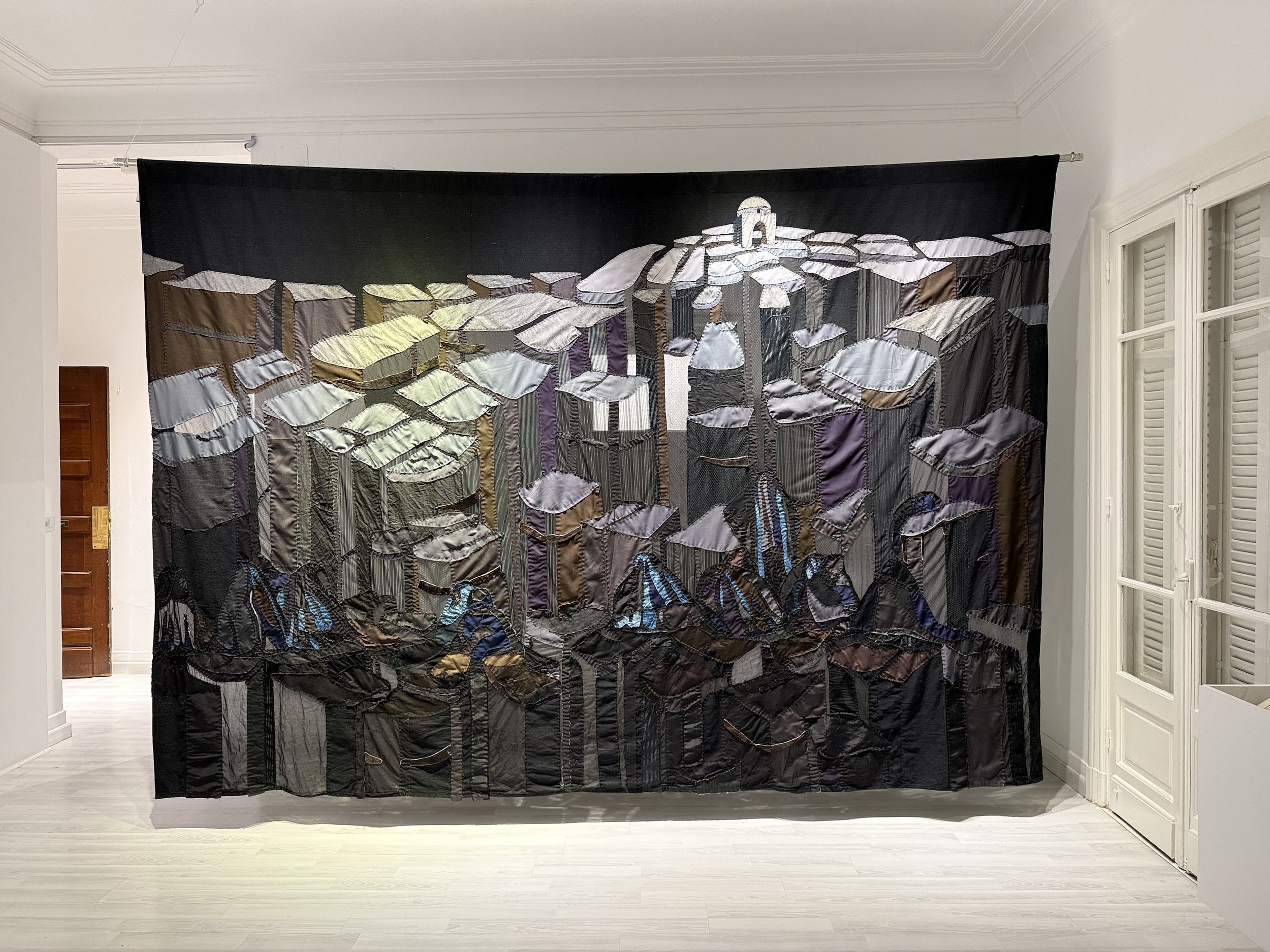
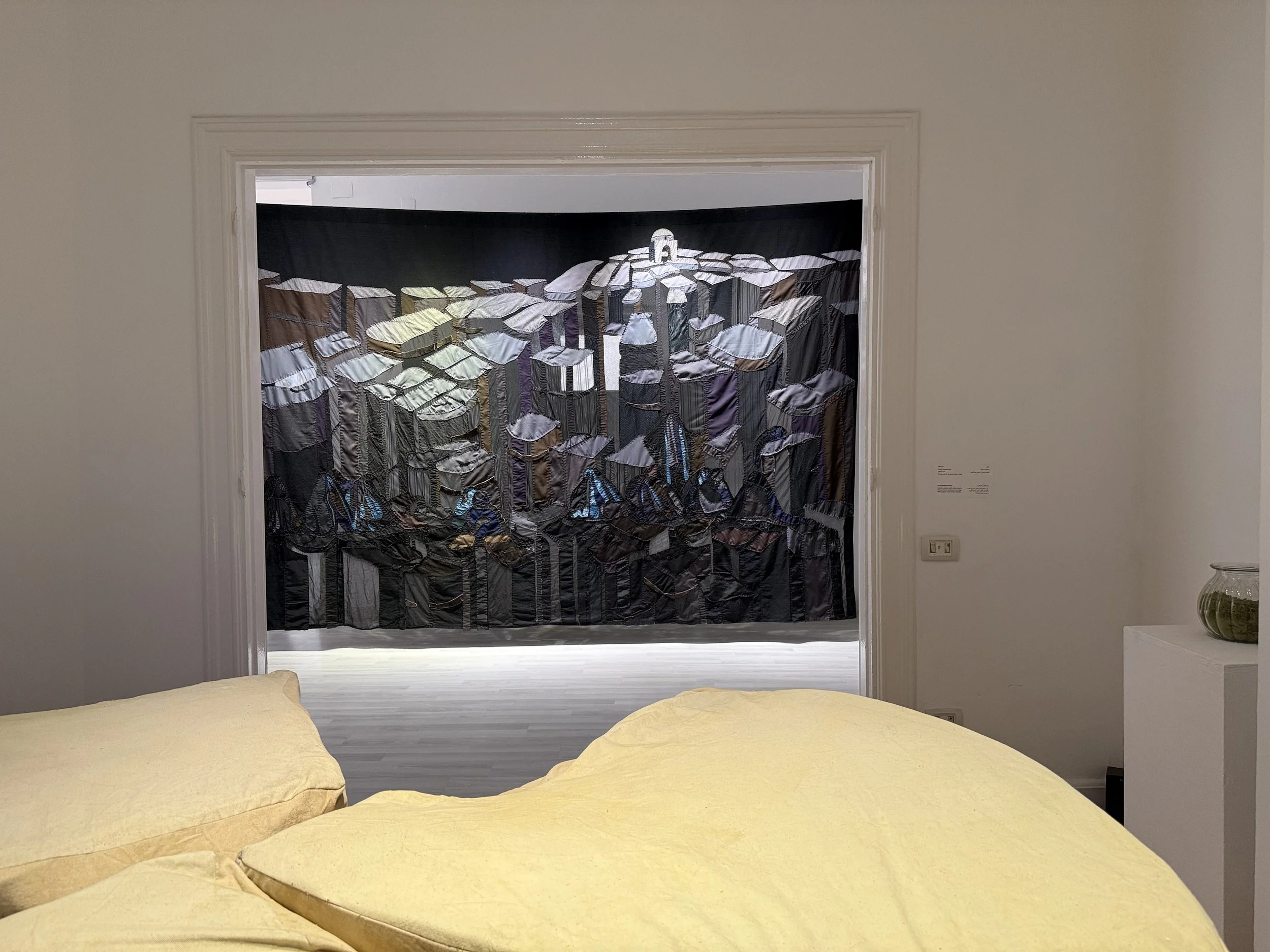
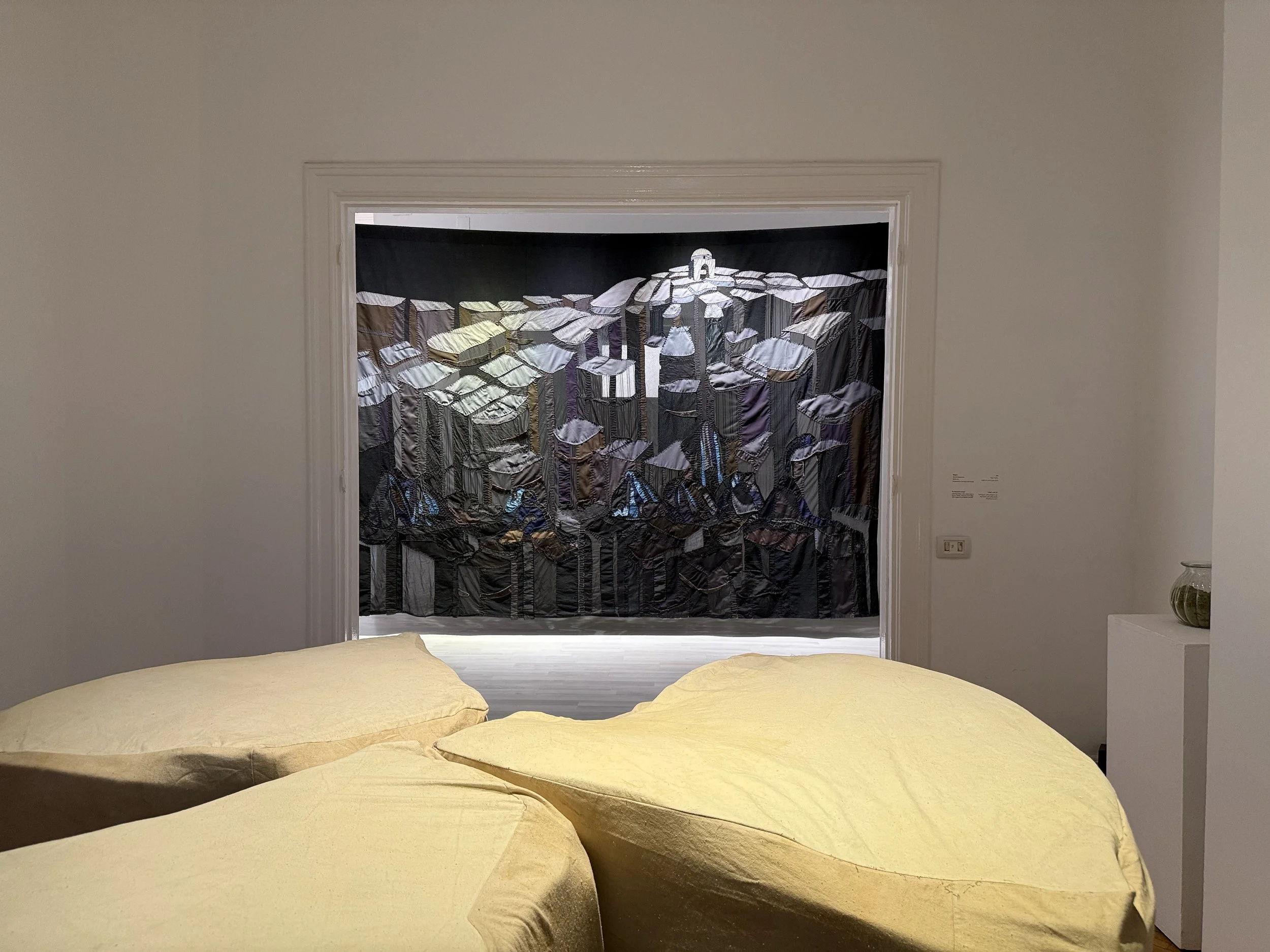
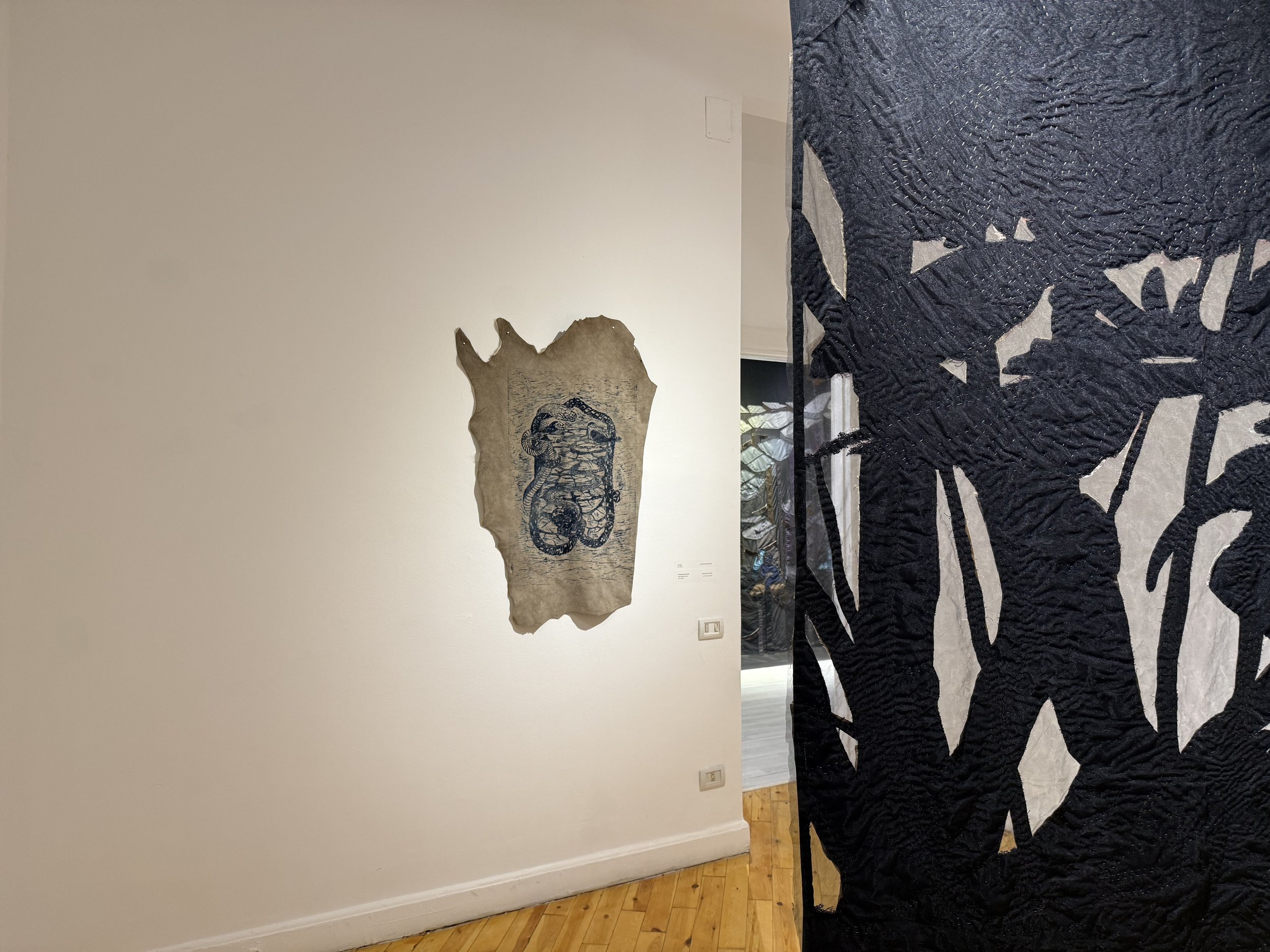
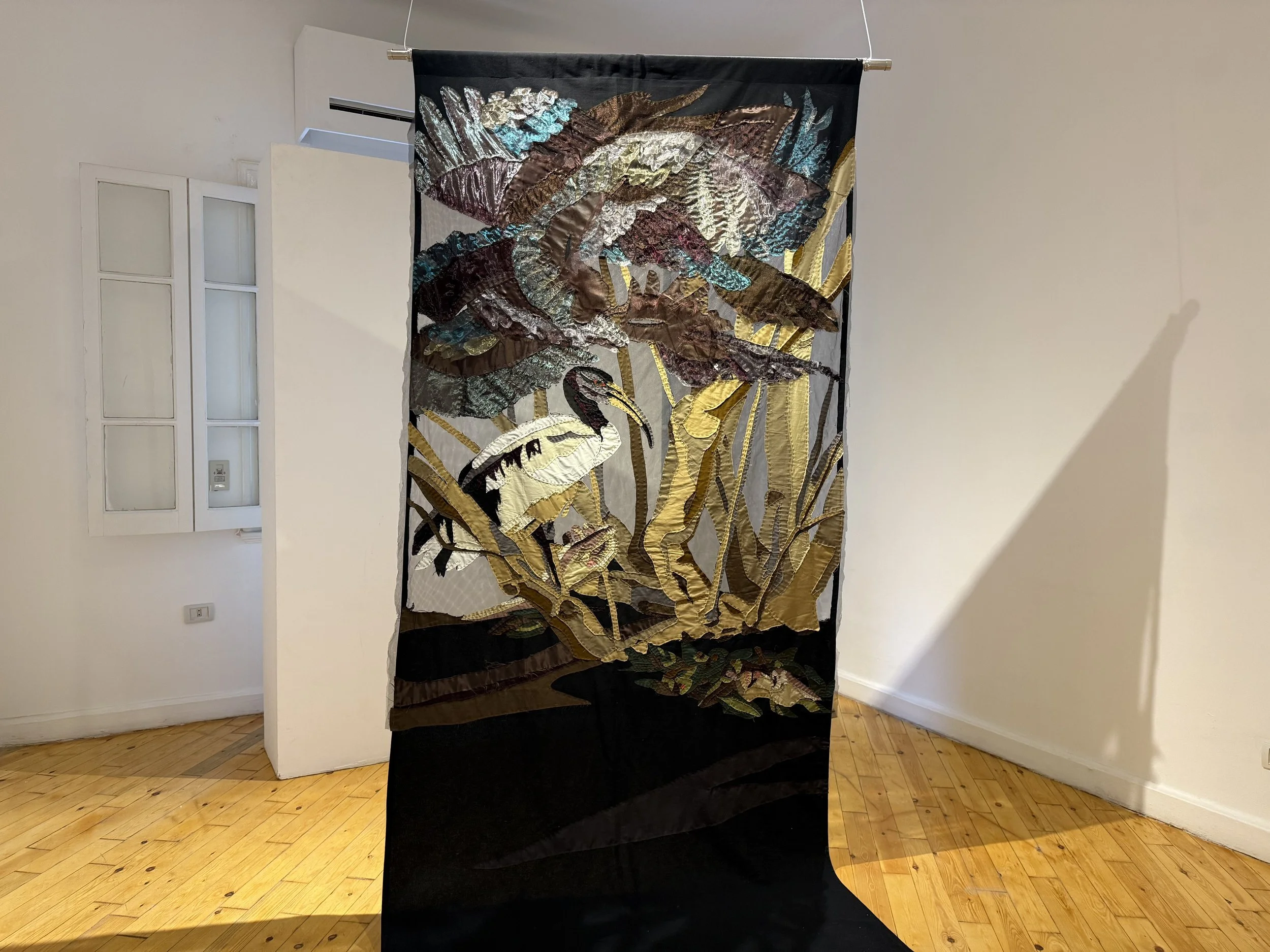
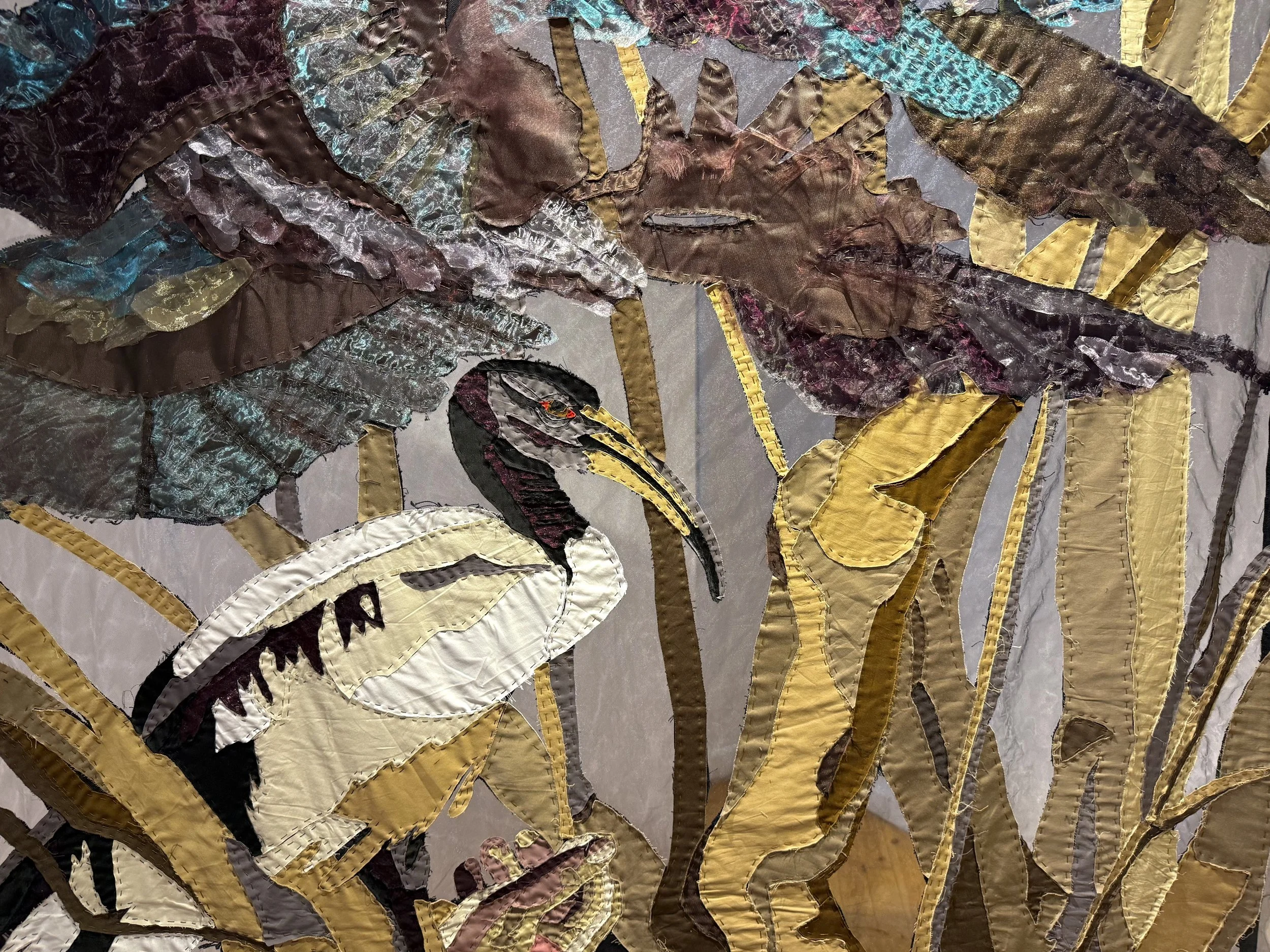
The collection, sewing, and dyeing of the fabric are intentional repetitive gestures by the artist to capture the monotony of the poems. Seeking comfort and familiarity in the collectivity of our cultural practices of mourning, Lamis Haggag creates visual and audio representation of her findings.
The movement of the women lamenters in the textile work was inspired by scenes from Iqa' al-Haya (The Rhythm of Life) by filmmaker Atteyat El-Abnoudy along with the artists’ field research with the help of an incredible team in different villages near Nagh Hammadi, Qena, and Esna.